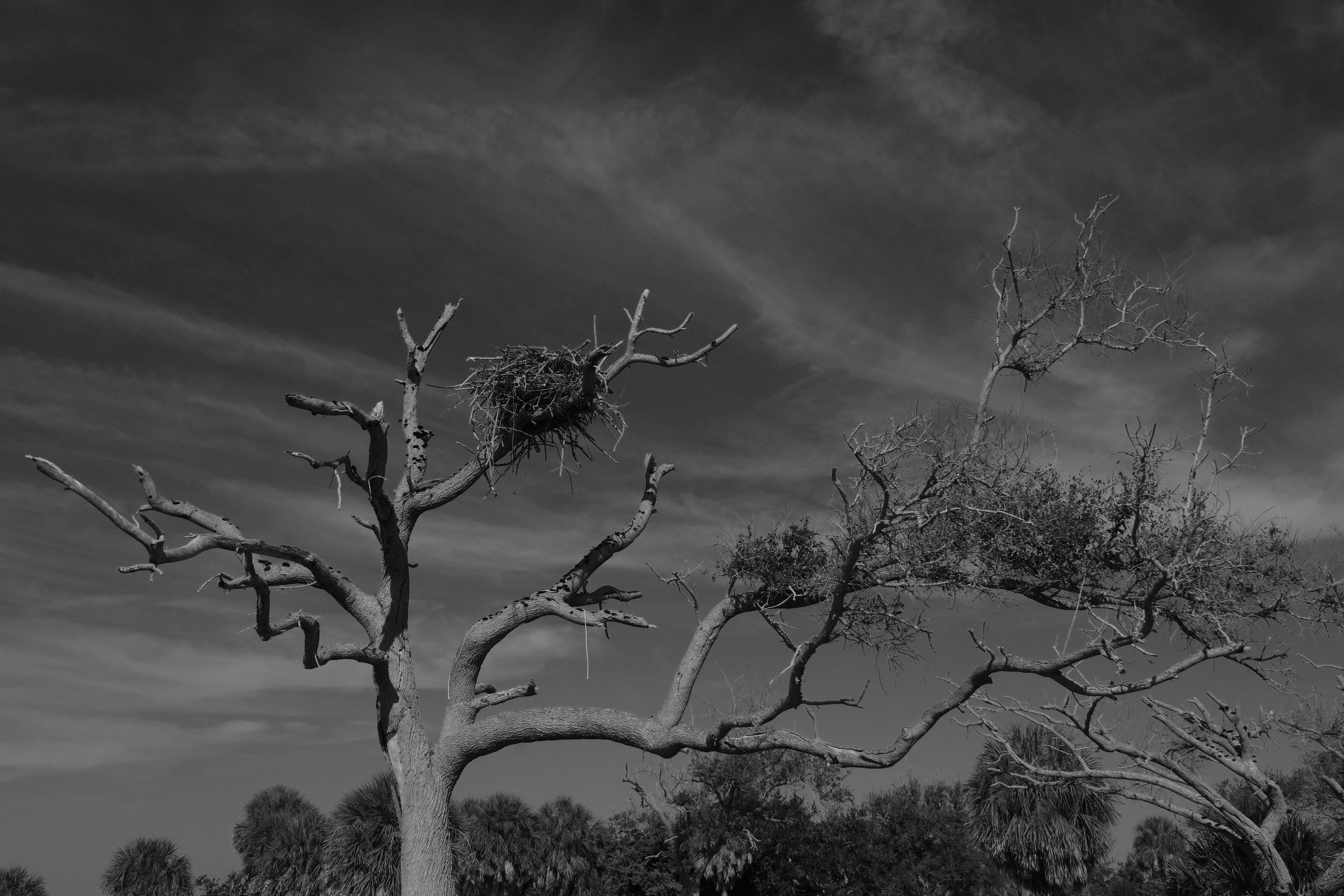



Boyd Hill Nature Preserve, St. Peterburg, Florida.
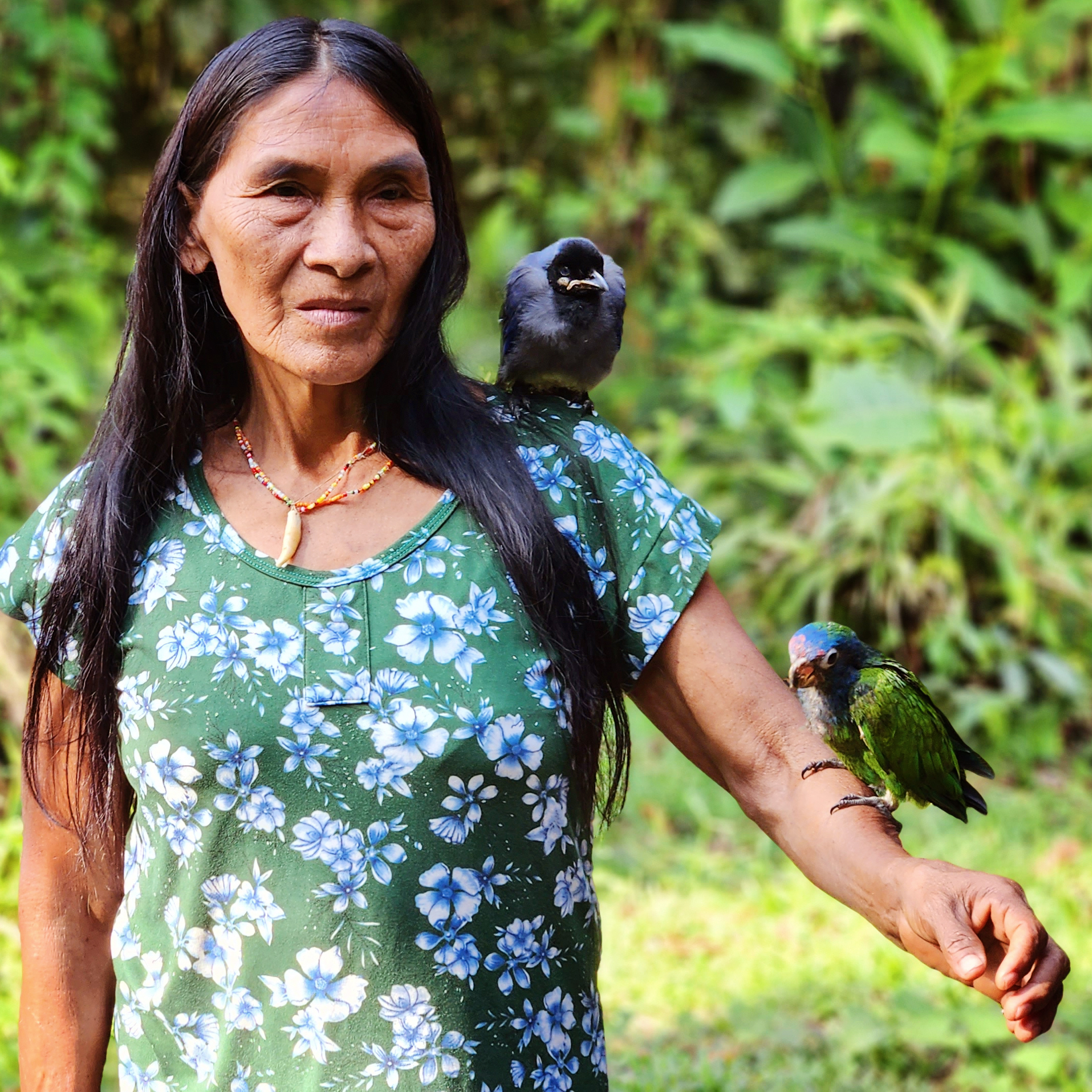
Narrated by Elodia Dagua, translated by Tod Swanson. Recorded in Napo, Ecuador, March 2025.
Long ago, in a village known for its rich clay mines, there lived a powerful woman who had many daughters and helpers. She was chosen to lead an upcoming fiesta, an honor that required crafting many mukawas—beautiful clay vessels used in celebrations. Her daughters were all skilled in pottery, having learned the craft from a young age. But among them was a young daughter-in-law, recently married into the family, who did not know how to work with clay. She tried her best, but no matter how hard she worked, the clay would not take shape in her hands. The other women laughed at her clumsy attempts, mocking her for her lack of skill. Even her mother-in-law dismissed her, saying, “Why would you even try? You are useless. Stay home.” One day, as the women prepared to leave for the clay mines, the young woman asked if she could join them. Again, they laughed, ridiculing her, and left without her. But she refused to give up. After they were gone, she followed their tracks at a distance, hoping to learn their secrets. As she approached the clay site, she could hear them laughing and carelessly tossing pieces of clay around, their voices full of scorn. She waited until they were gone, then stepped forward with sadness weighing on her heart. Just then, she noticed an old woman with long white hair standing near the clay deposits. The woman was speaking to herself, lamenting, “Look at how they disrespect my clay. They throw it carelessly, laughing, making noise. They do not honor what the earth gives them.” The young woman, feeling small and unworthy, approached timidly. “Good morning, Grandmother,” she greeted respectfully. The old woman turned and studied her carefully. “Ah,” she said, “you must be the girl they mock and belittle.” The young woman nodded. “Yes, Grandmother. The problem is, I do not know how to work with clay. No matter what I do, it will not form in my hands.” The old woman smiled kindly. “Come here, child.” She took a small gourd scraper, used in pottery-making, and gently ran it along the young woman’s arms. Then she placed her hands together and said, “Now, breathe deeply. Feel the power of the earth, the power of the clay.” She handed the young woman a bowl. “Take this. When you go to a clay deposit, you must ask permission. The clay will not yield itself to those who take it selfishly. Speak with respect, and the clay will obey your hands.” The young woman listened carefully and promised to follow the instructions. But before she left, the old woman gave a final warning: “Do not tell anyone where this gift comes from. Not even in drunkenness. Not even if they beg.” She returned home and began shaping the clay, and to her amazement, her hands worked effortlessly, creating the most beautiful mukawas anyone had ever seen. The bowls were perfectly formed, painted with intricate designs. When her mother-in-law and the other women saw her work, they were filled with envy. They pestered her with questions. “How did you learn? Who taught you?” But she would not answer. Determined to uncover her secret, they prepared a strong brew of chicha and invited her to drink. She resisted, but they insisted, offering cup after cup until she was heavily intoxicated. Even then, she would not speak. Frustrated, they plotted again. The next time, they made the chicha even stronger, pressing her for answers as she drifted toward unconsciousness. Finally, in a drunken stupor, she began to sing—a song she did not realize she was singing. Her voice was soft but clear: “The Clay Mother gave me this gift… the wise old woman blessed my hands…” The jealous women listened intently. Now they knew the source of her power. But when morning came, they discovered a terrible fate had befallen her. The young woman lay dead. No one knew what had happened, but the villagers whispered that the Clay Mother had taken back her gift—perhaps as punishment for revealing the secret, or perhaps because the world was not worthy of such power. To this day, the clay mines remain sacred, and those who take from them without respect find that their pottery crumbles in their hands.
Ants carrying leaves – Amazon rain forest, Iyarina Andes and Amazon Field School, Napo, Ecuador.
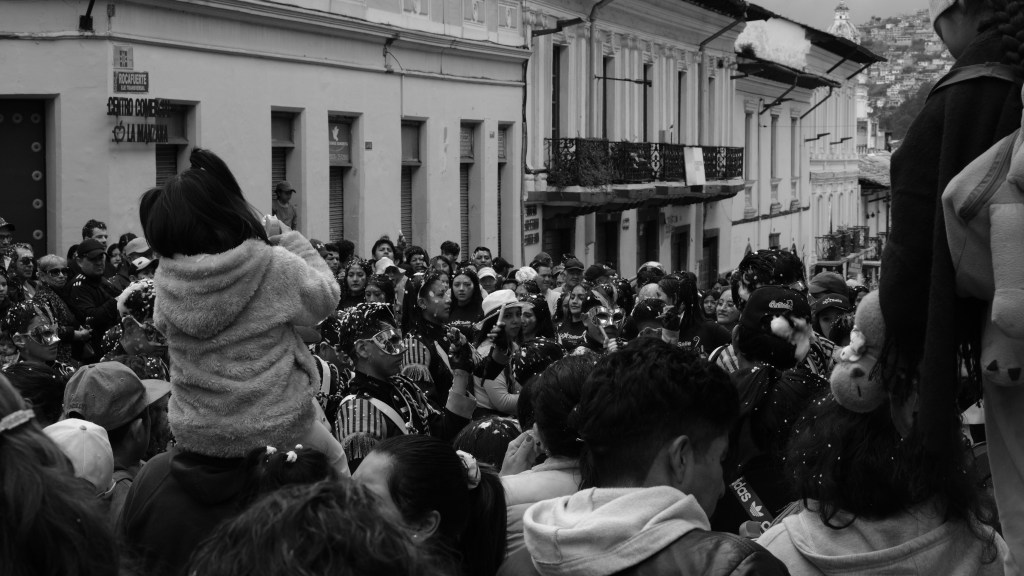
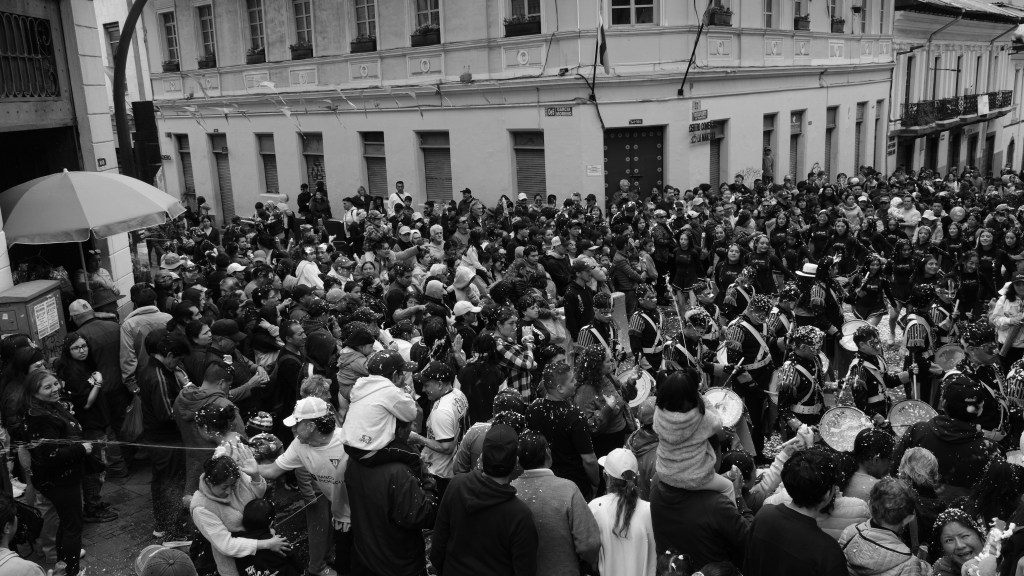
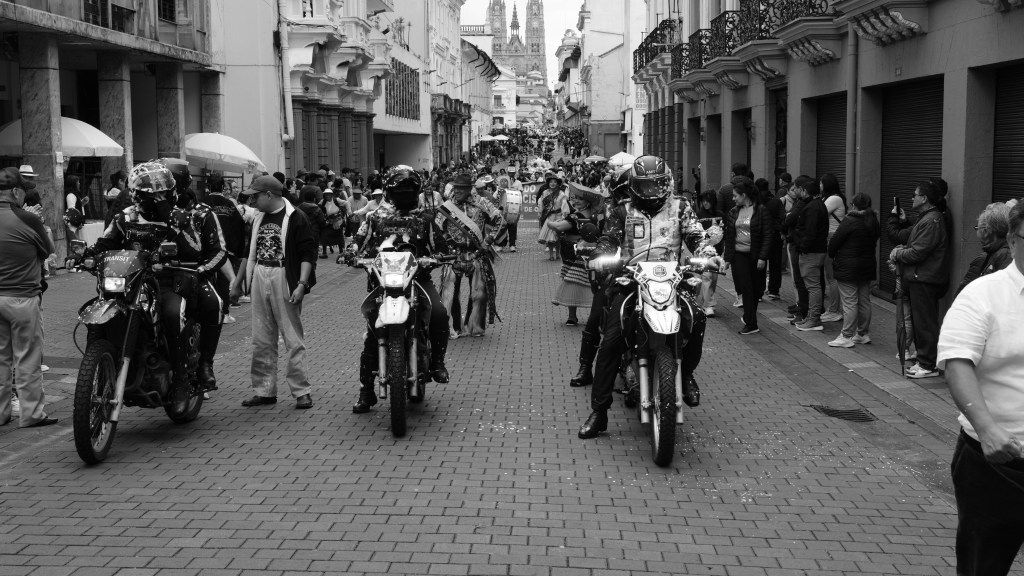
We were returning from the TelefériQo cable car (more on that in a separate post) and our taxi dropped us off 3 blocks from our hotel. The driver apologized profusely and told us that the streets were completely blocked because of the Mardi Gras procession.
As we started to make our way back to the hotel, we ran into a massive crowd of people, dancing, laughing, and spraying each other with foam.
During Mardi Gras in Ecuador, the tradition of throwing foam (espuma) stems from a long history of festive play and ritualistic celebrations. Carnaval in Ecuador, like in many Latin American countries, blends pre-Columbian and Catholic influences. Before the arrival of the Spanish, Indigenous communities held ceremonies involving water as a symbol of purification and renewal, which later merged with European Carnival traditions brought by colonizers. Over time, these festivities evolved into citywide events where people engaged in playful battles, originally using water, flour, and even eggs to celebrate the chaotic spirit of the holiday. The modern use of foam represents a continuation of this tradition, transforming earlier practices into a more contemporary and widely embraced custom.




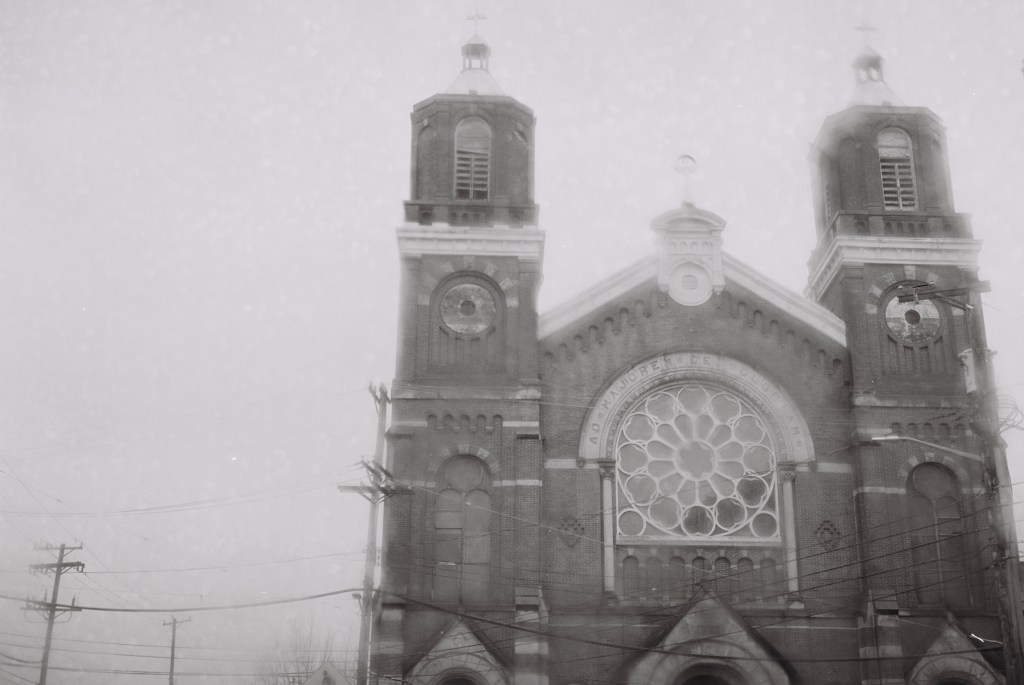


Rainy day in Pittsburgh. Shot with a Leica CL + Voightlander 40 mm f/1.4. Ilford XP2. Pittsburgh, Strip District + Polish Hill.





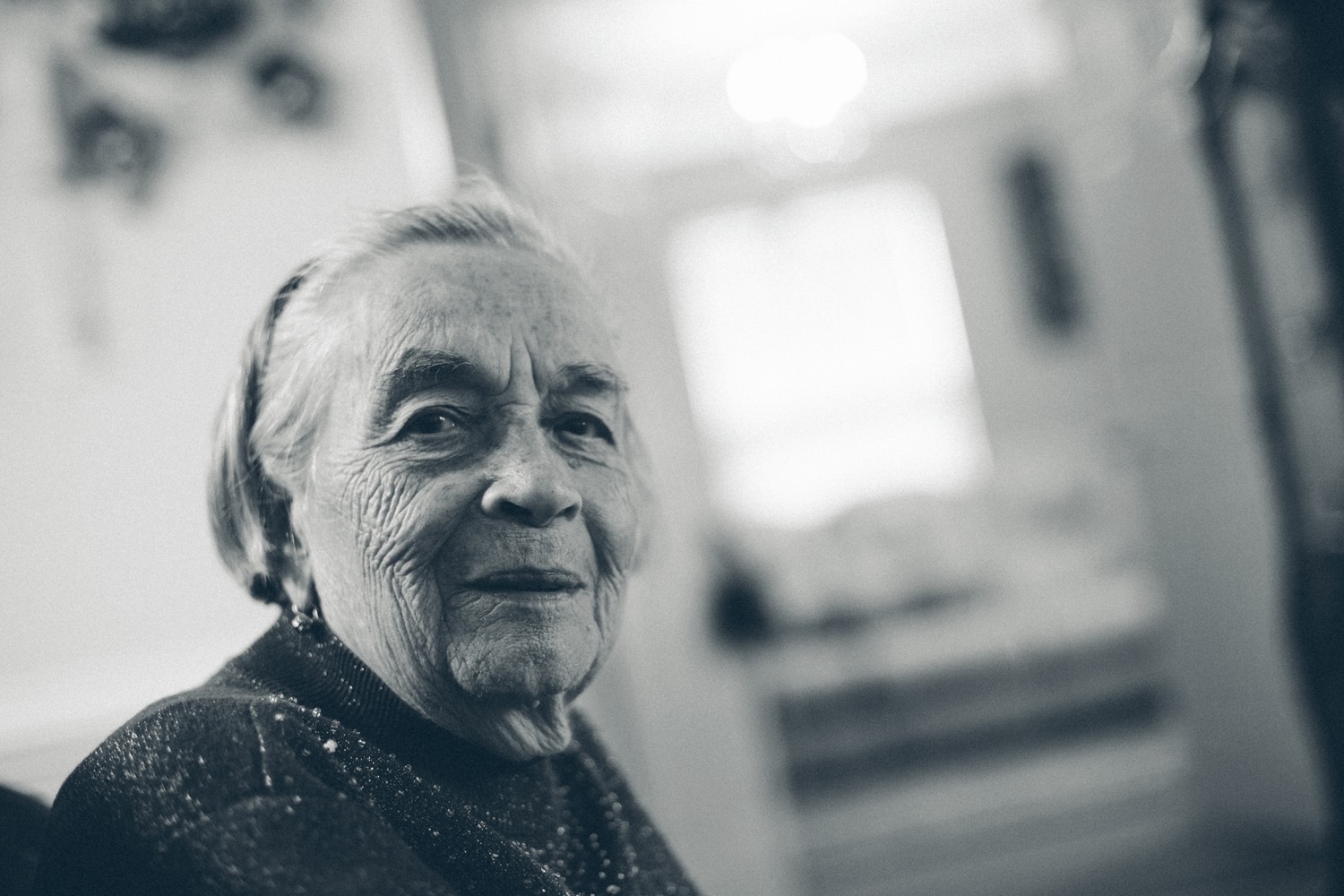
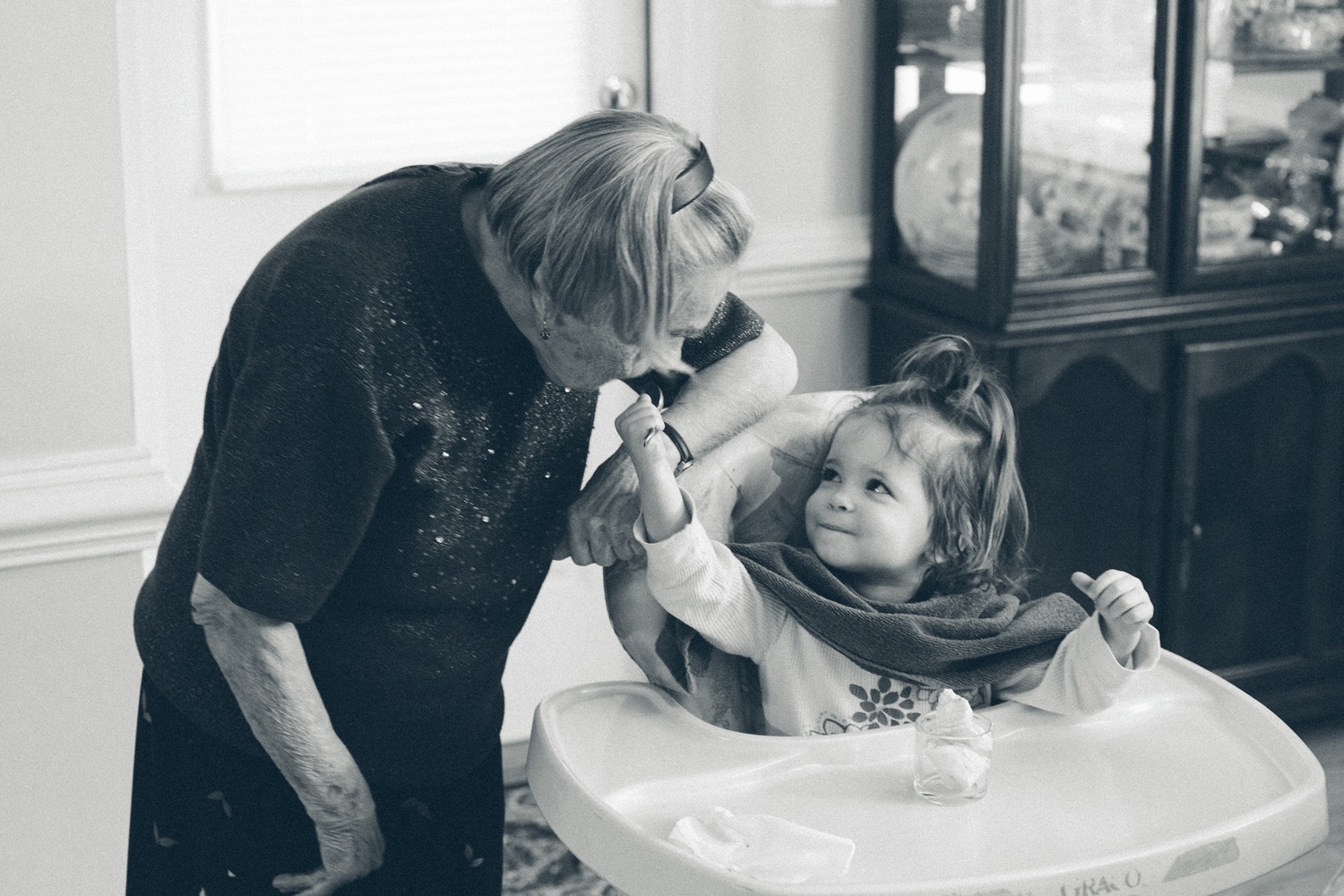
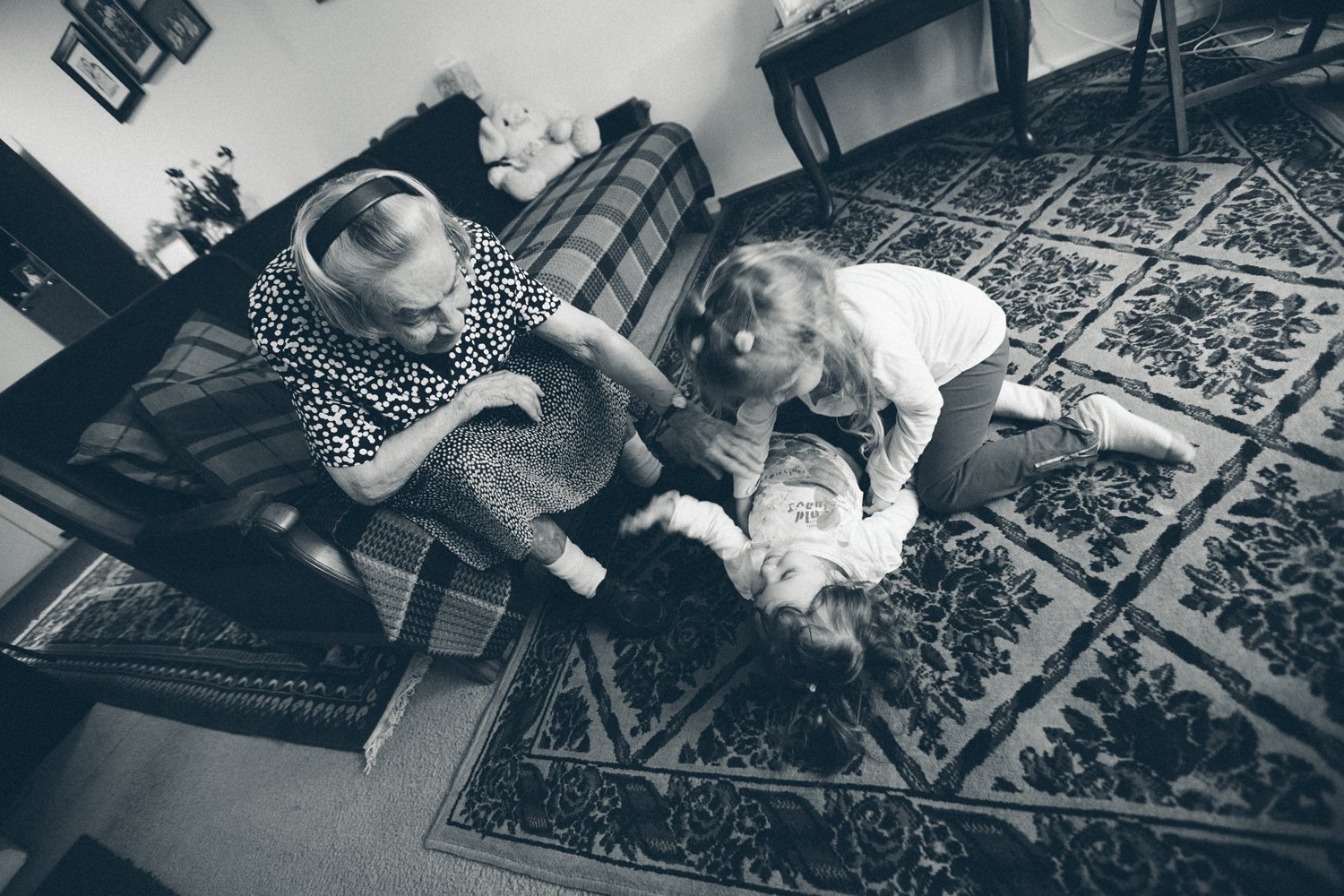
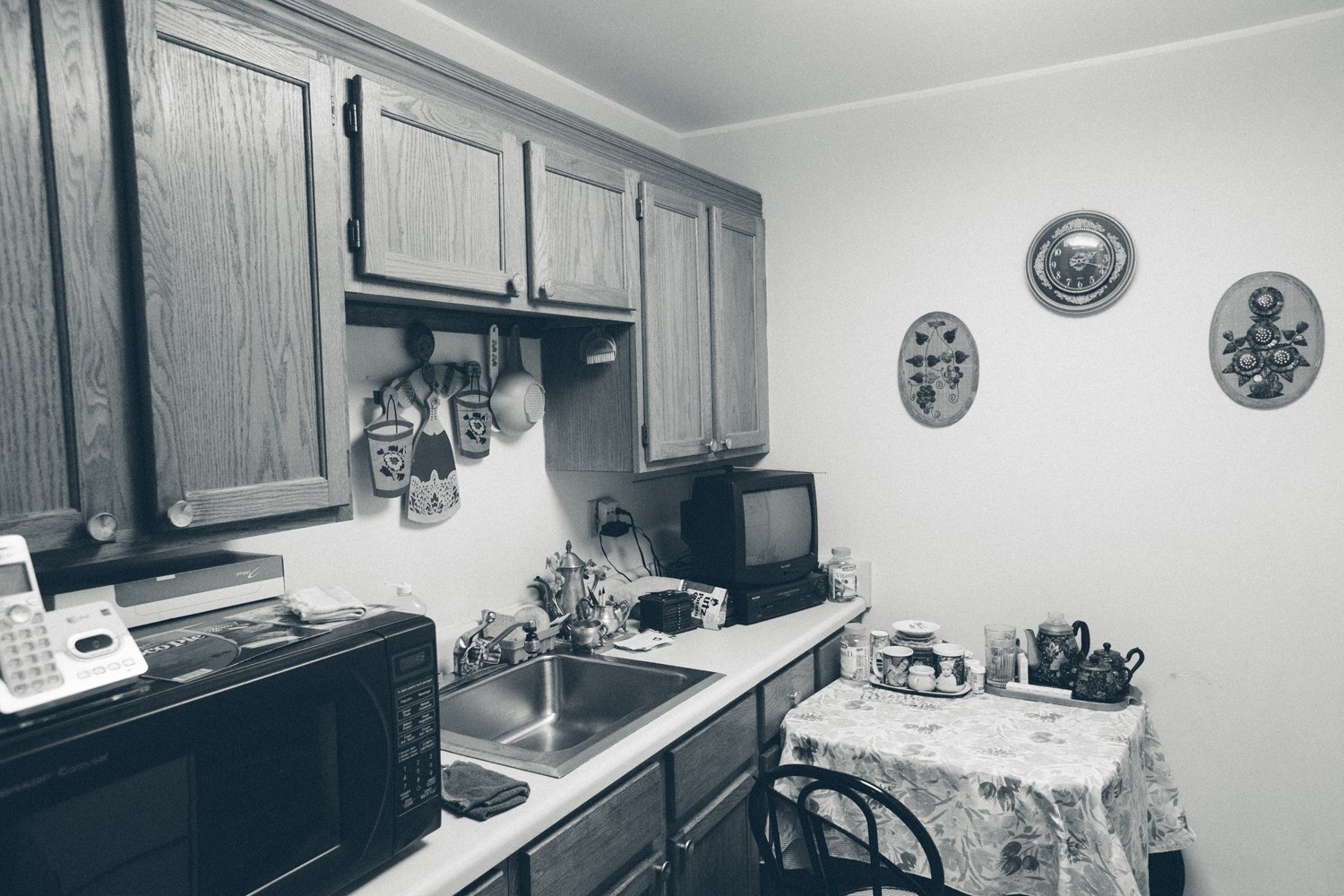
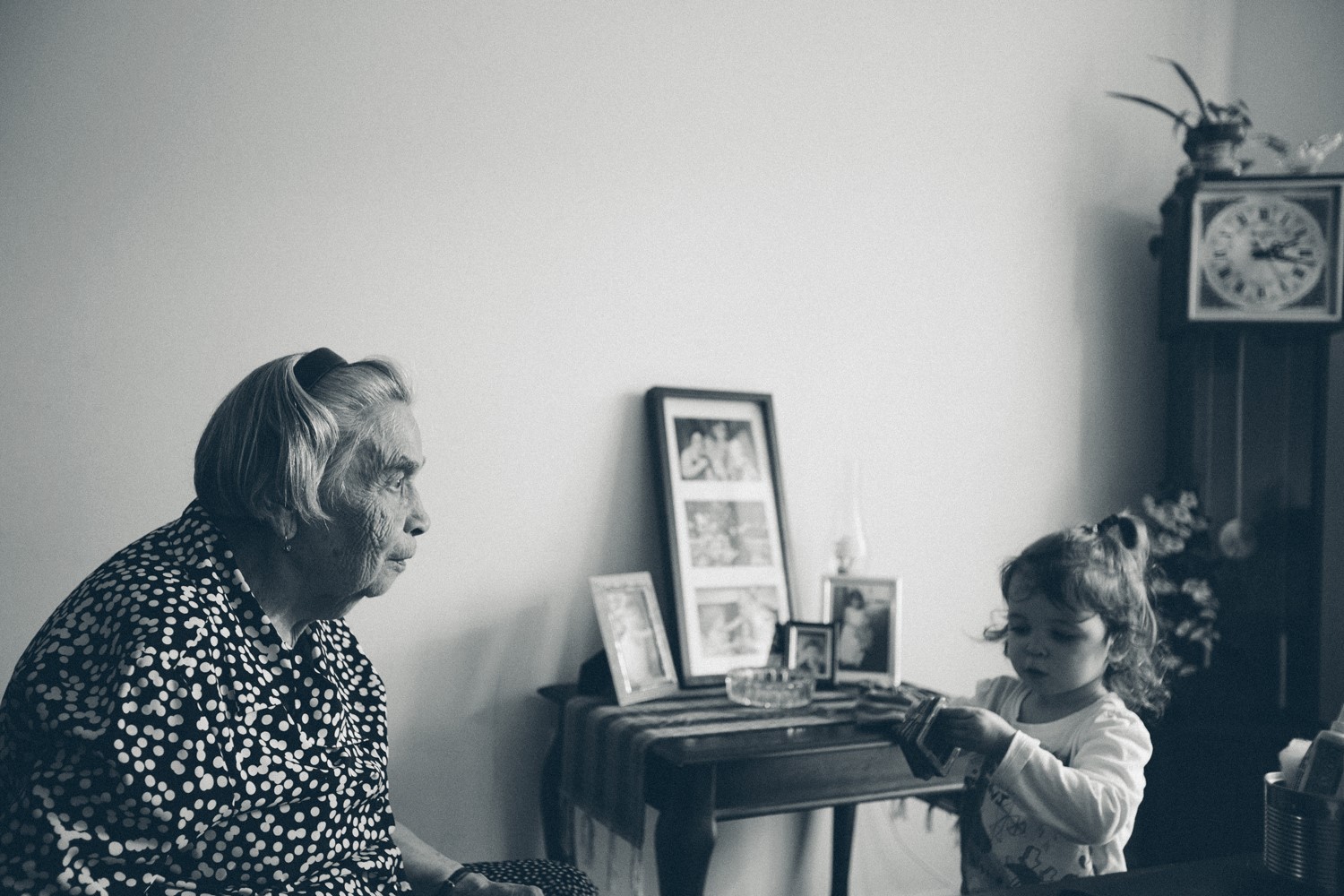
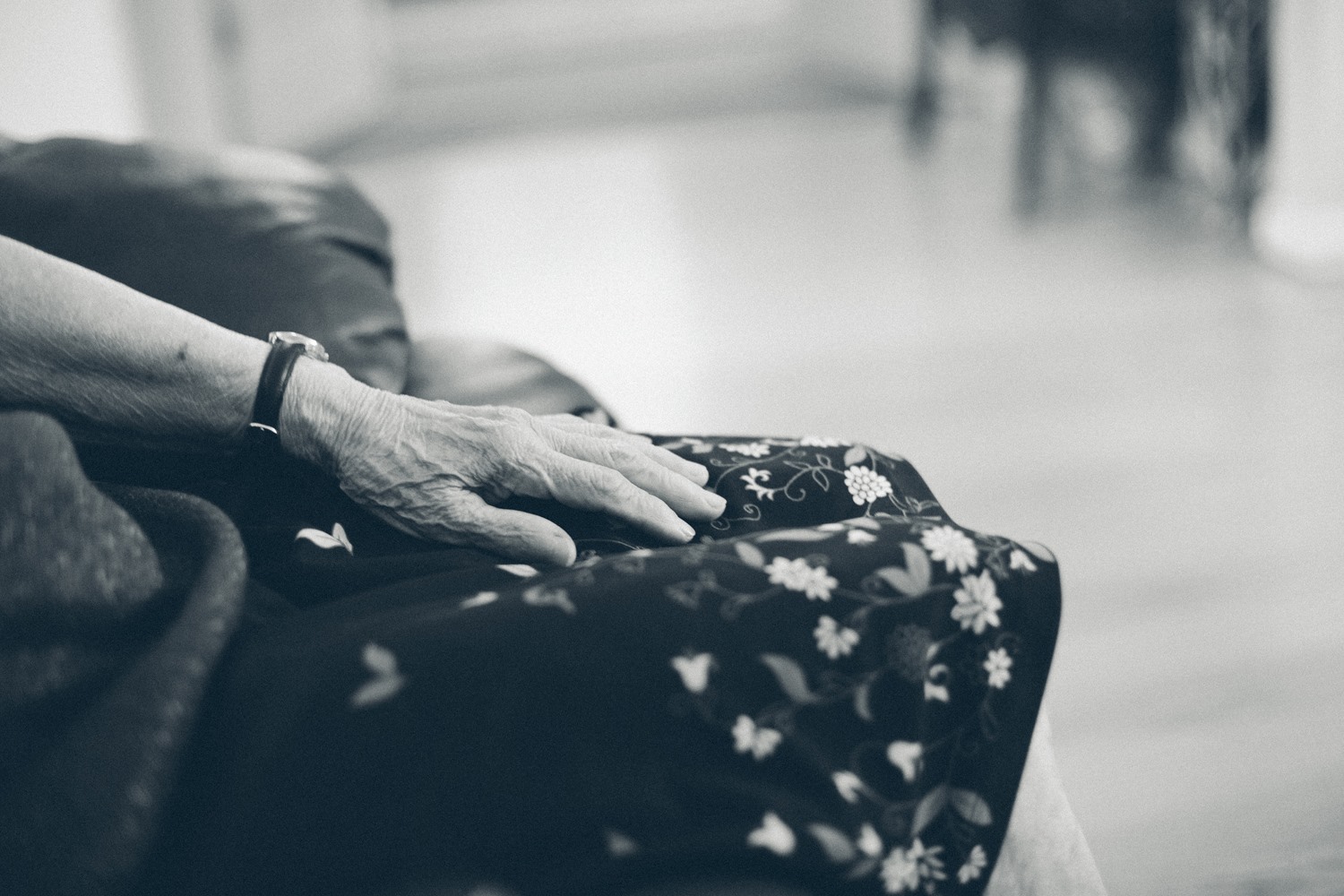
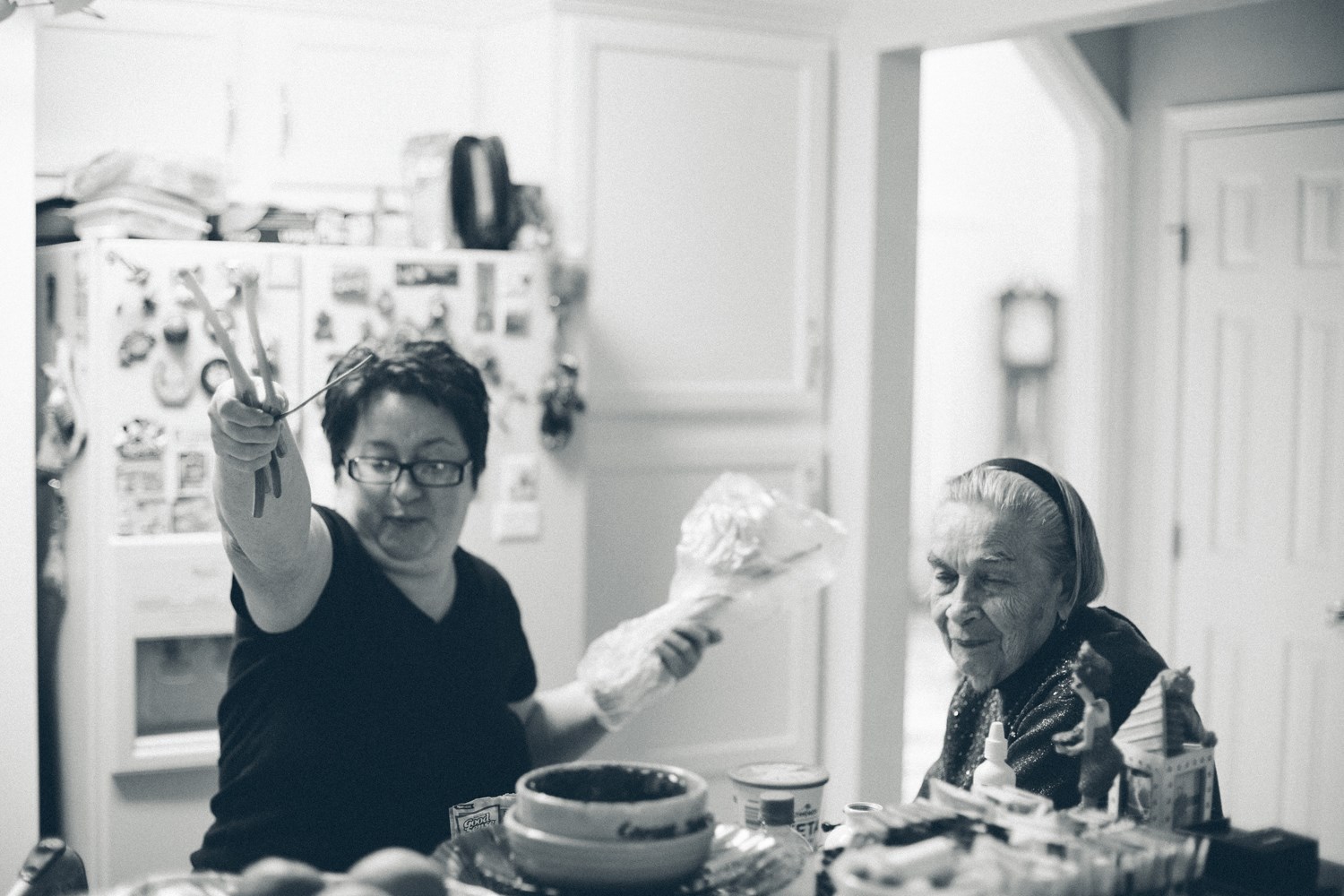
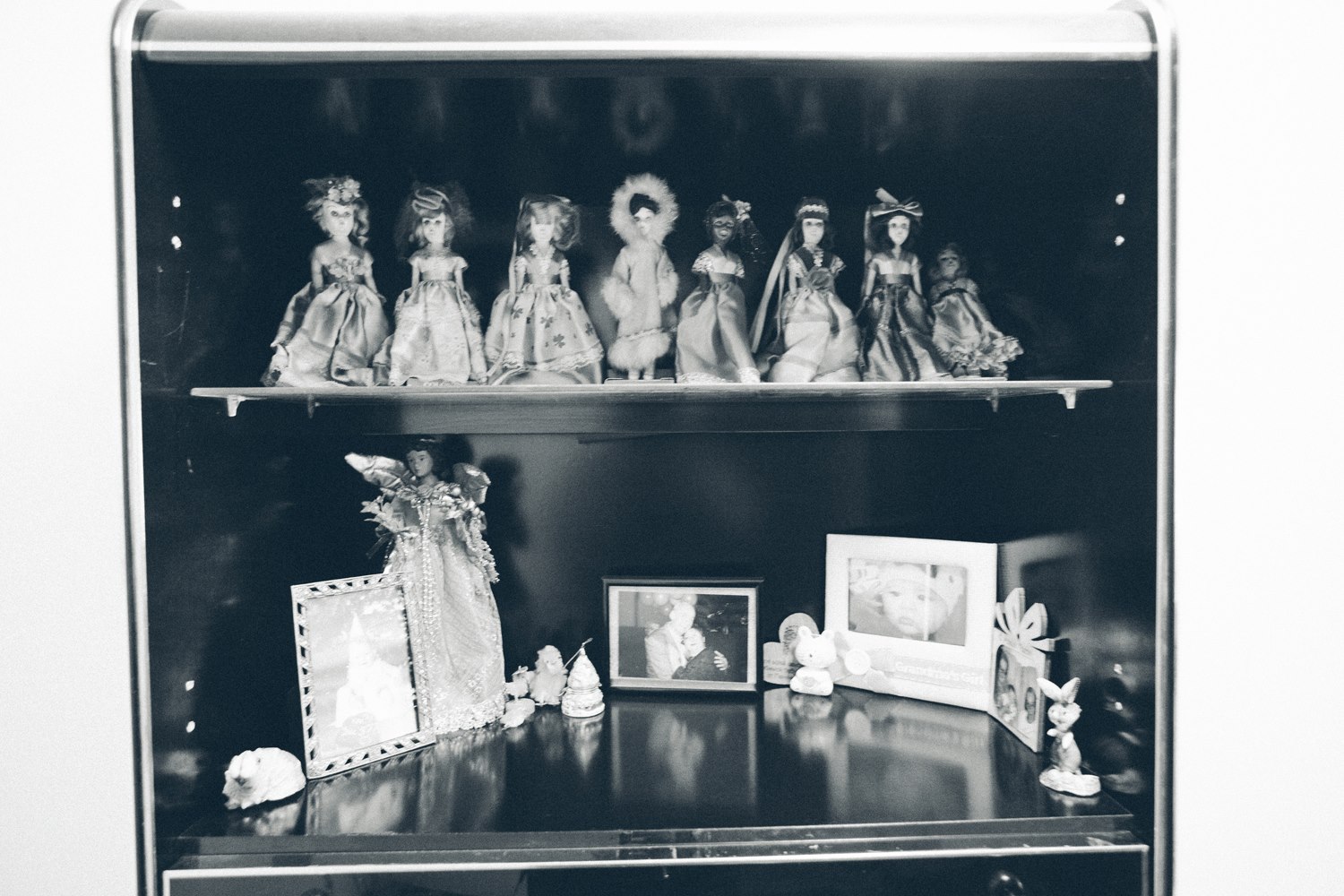
From my photography archives – my grandmother spending time with her great-grandkids. These photos were nine years ago, around her 94th birthday.



















 Dmitriy B.
You must be logged in to post a comment.