A few weeks ago Sophia started taking piano lessons and she has been incredibly excited. For a five-year-old, she is really tenacious – she sits down at the piano without any reminders and practices on her own every day.


A few weeks ago Sophia started taking piano lessons and she has been incredibly excited. For a five-year-old, she is really tenacious – she sits down at the piano without any reminders and practices on her own every day.
Well, we refer to the whale watching excursion as “THE EXPERIENCE”. We kind of saw a few blue humpback whales (mostly their flukes), but the sea was incredibly rough and we all were seasick and really cold.

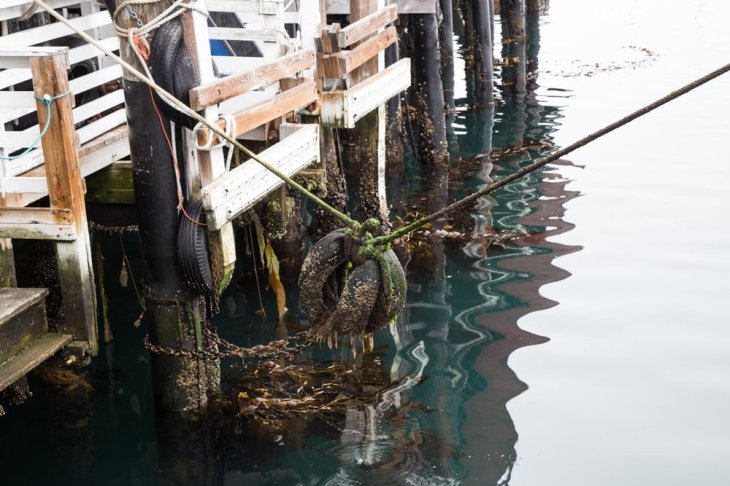
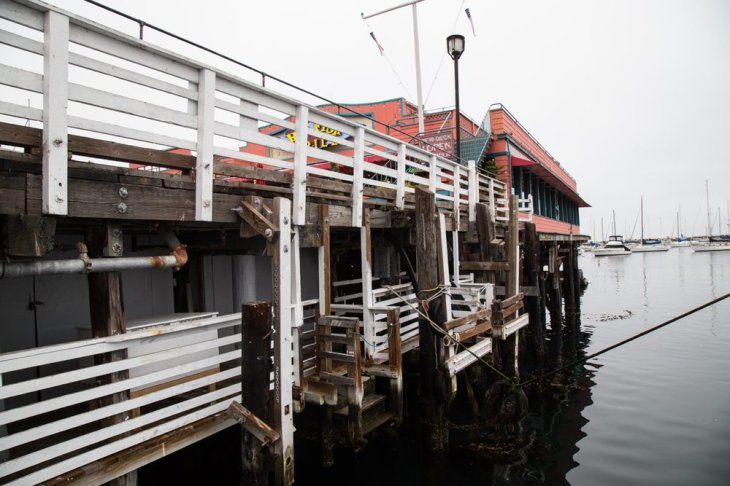



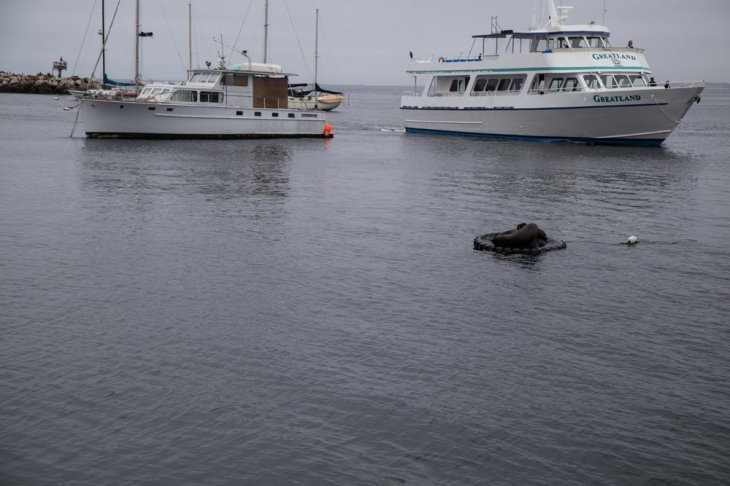

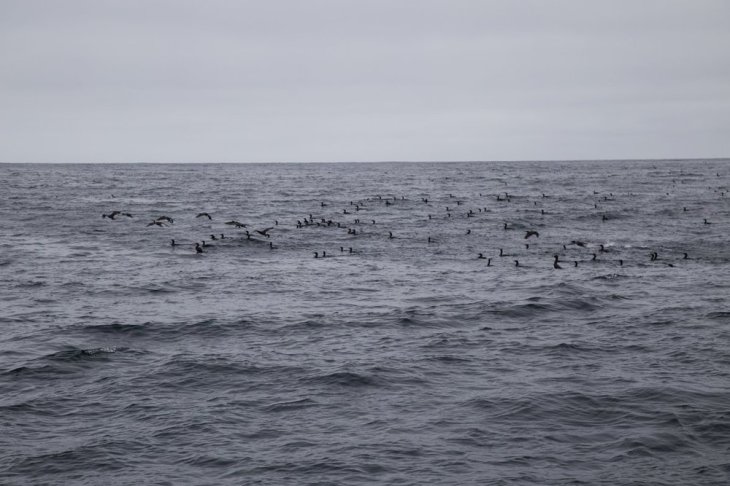


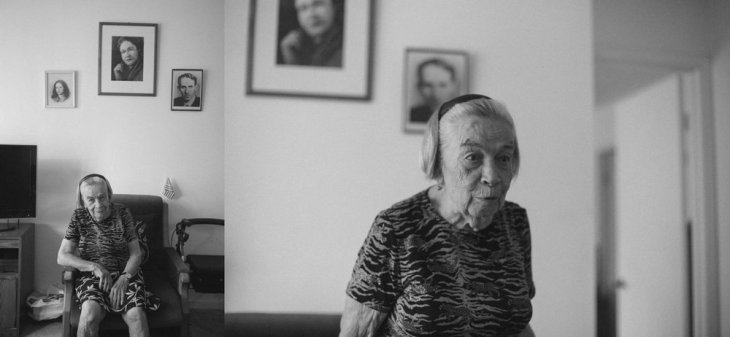
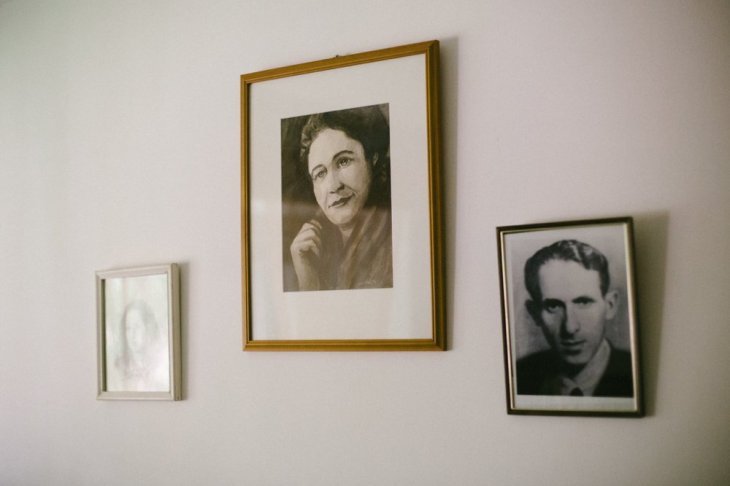
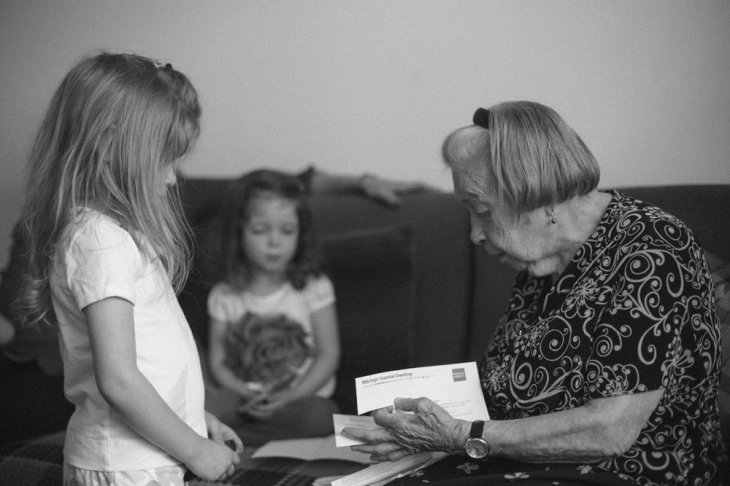
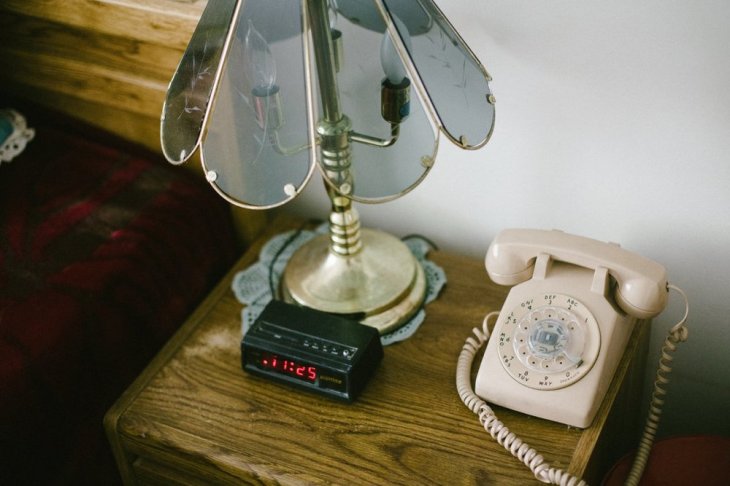
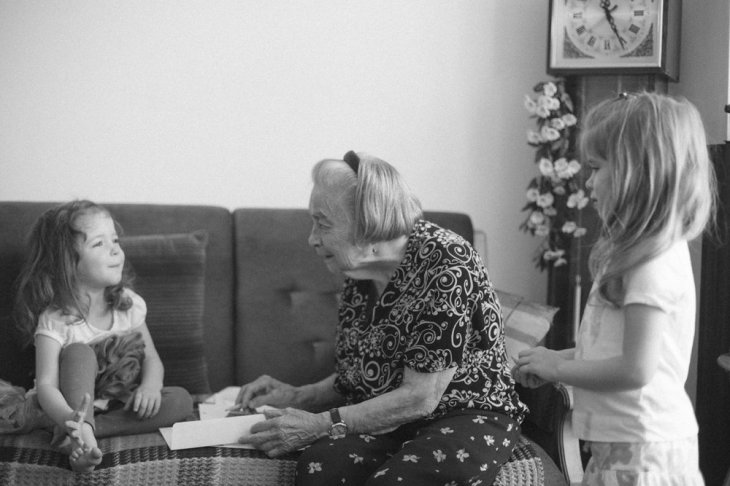
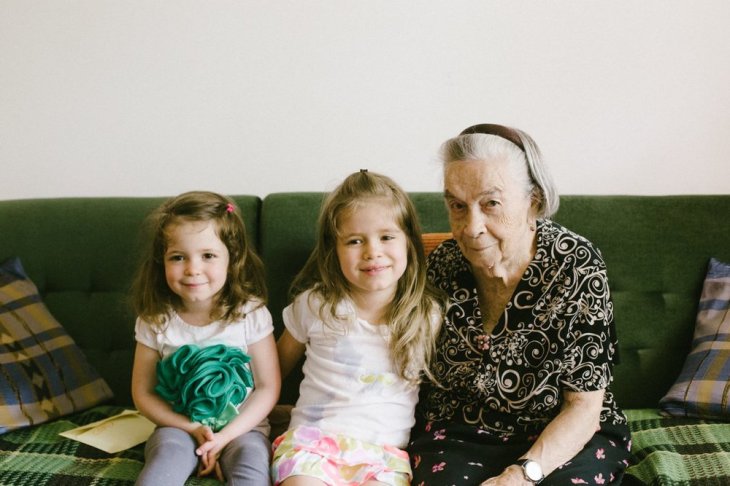
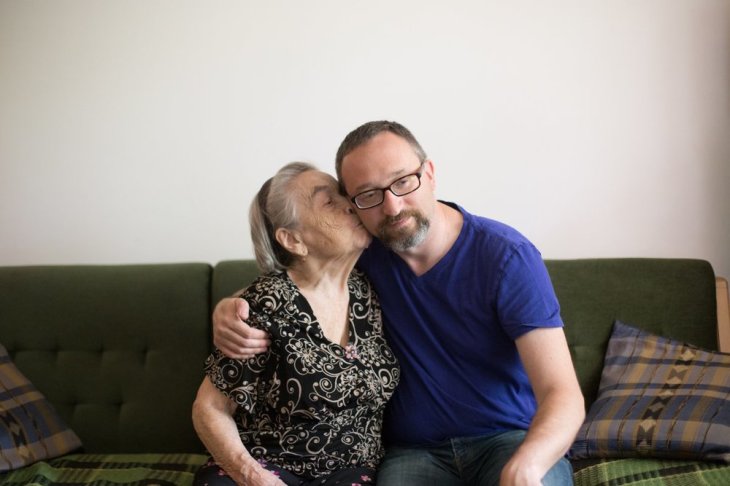
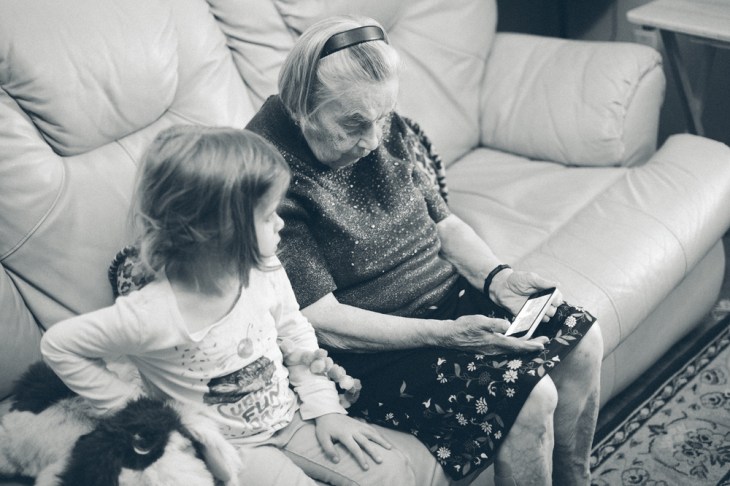
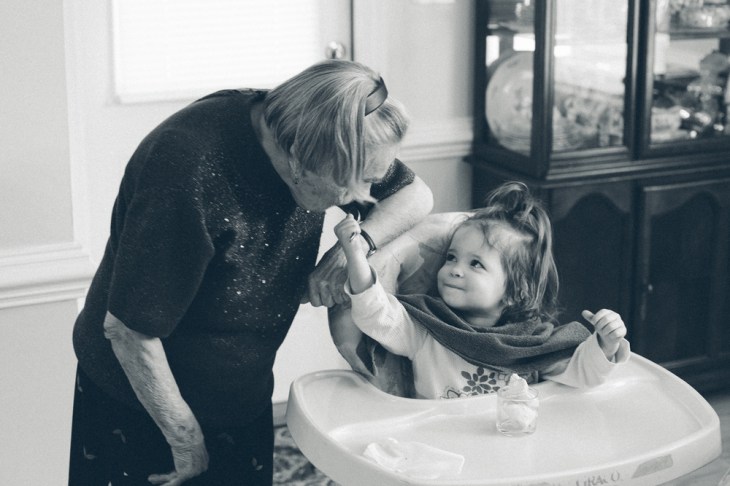
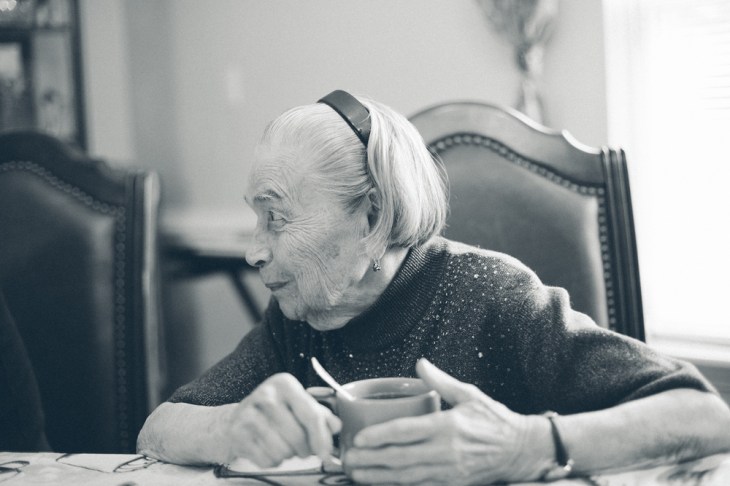
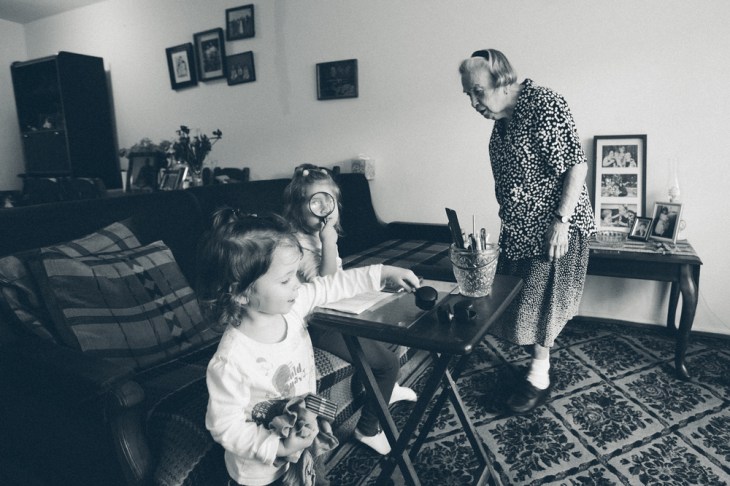
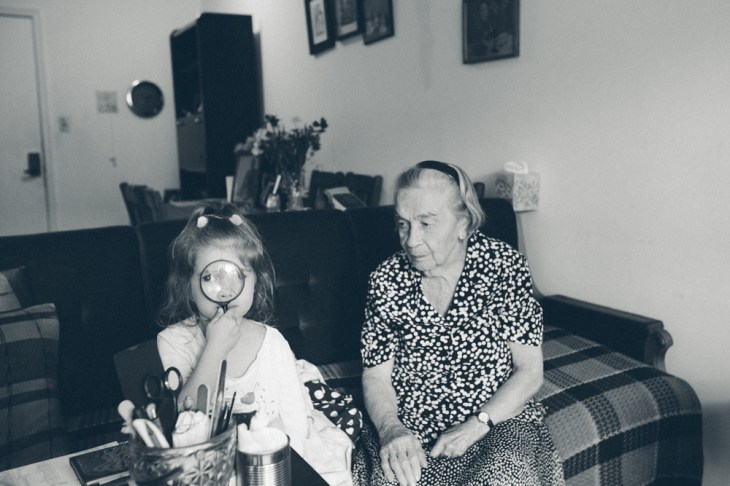
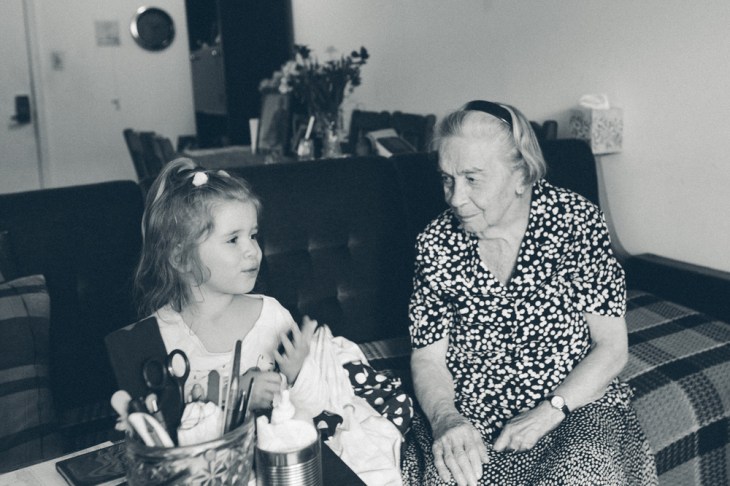
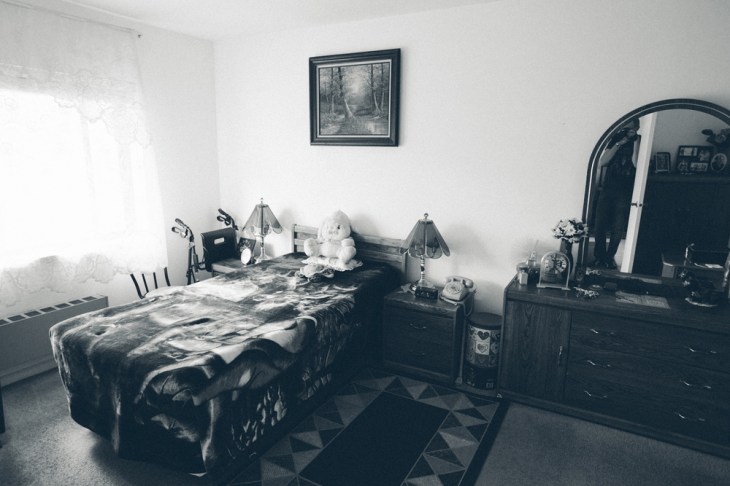
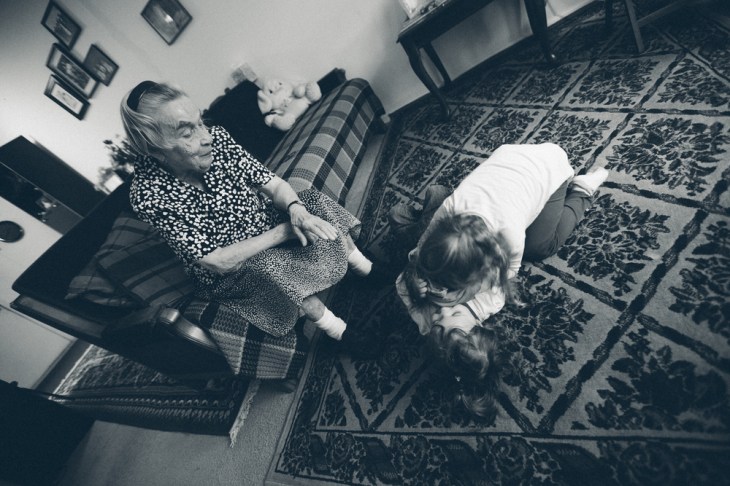
As a general rule I don’t post too many personal things on my business blog – I keep a separate blog for my personal projects/photography. However, these photos mean a great deal to me. My grandmother is 94 years old; she survived World War II, Stalin’s repressions, a decade of life near the Arctic circle, and immigration to the United States. She is one of the most important people in my life. Unfortunately, because my grandmother lives in Norfolk, VA, I can only visit her 3-4 times a year. Every time I visit, when I say goodbye, it always feels like I’m saying goodbye for the last time. Every time I visit, we have the same argument about photography – she hates being photographed and I try to document every memory. These photographs are from my most recent visit – May 9, 2015 (which is coincidentally the day when World War II ended). Hopefully I’ll have many more moments with my grandma.















In his book Outliers: The Story of Success, Malcolm Gladwell tells stories of Bill Gates, the Beatles, and many others who became incredibly successful. He (Gladwell) claims that it takes 10,000 hours of deliberate practice to become really good at anything – music, painting, programming, flying airplanes.
In theory, 10,000 hours sounds great, but who has the time?
I recently became a member at Pittsburgh TechShop, a fabrication and prototyping studio in Pittsburgh’s Bakery Square. That place is absolutely amazing – the first time I came in for a tour, I was pretty damn close to jumping up and down in excitement when I saw all the CNCs, milling machines, laser cutters, and 3D printers.
I had a goal in mind when I joined TechShop – I wanted to build a guitar. Speaking of 10,000 hours of practice, I’m not a very good guitar player. That being said, I’ve always wanted to own a National steel body guitar. Unfortunately for me, National guitars cost thousands of dollars, so unless someone wants to make me a really really really expensive gift, I’m pretty much s**t out of luck. So I decided to build my own.
Steel is a fairly expensive (and difficult) material to play with; it is also very time consuming to prototype anything in metal (unless you have the money to use the very expensive water-jet cutter). I decided to prototype my guitar in wood, first starting with a small-scale ukulele-sized prototype, and scaling up as I got better with proportions and details.
I modeled my design after Gibson Les Paul, another guitar of my dreams. I traced a photograph of a Les Paul Studio in Corel Draw and made drawings for Trotec Laser Cutter. It has no frets, but boasts ukulele tuning pegs, ukulele strings and bass guitar tuning!

My first prototype looked good, and I looked pretty damn good forcing horrible noises out of it.

Now my kids have a new toy and I’m moving on to the next prototype. I already laser-cut templates out of cardboard and will hopefully move on to making the first steel prototype in a few weeks.
I just hope it doesn’t take me 10,000 hours to reach the final destination.
My kids and I did some hands on experiments with physical computing and electricity. Initially I only intended to do these experiments with Daniella, but Sophia seems to be pretty interested as well. Using an Arduino board, a breadboard, a 10OM resistor and a few wires we made a simple capacitive sensor. Capacitive sensors take human body capacitance as input and (depending on sensitivity) detect anything that is conductive. I wrote a simple Arduino sketch that would randomly draw colored circles on the screen when our sensor detected conductivity. Basically we took a bunch of household items – metal spoons, plastic spoons, cups, wooden plates, etc… and connected them to the circuit using a small crocodile clamp. When Daniella would touch a conductive object (like a metal spoon which conducts electricity), the program would begin to draw circles on the screen. One of the items we used was a piece of paper. While dry it would not conduct electricity; however when we dipped it in water and connected it to the circuit, the capacitive sensor detected touch once again. This experiment had a dual purpose – she learned how different materials conduct (or don’t conduct) and got a vague introduction physical computing.

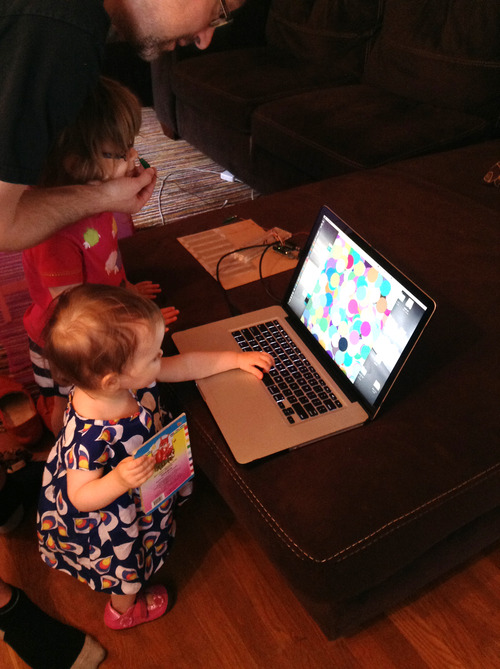


You can find detailed instructions on how to create capacitive sensors on Insructables website (Turn a pencil drawing into a capacitive sensor for Arduino) and on Arduino Playground.
My grandmother Olga is 93 years old, soon to be 94. She is an amazing woman and one of the most important people in my life. Even though I talk to her on the phone about 3 times a week, I only get to see her 2-3 times a year. Every time I take the drive from Pittsburgh to Norfolk, I promise myself that I will take a ton of photos of her; when I get to Norfolk I get caught up in shuttling my kids between my mom and my dad, doing family things and essentially not taking any photos of my grandmother. This time I actually managed to stick with my intentions and over the last week I shot over a thousand digital frames of my grandmother and 4 rolls of film. About half of the photos below were shot with a Canon 5D Mark III and processed with VSCO presets. The rest were shot on Kodak 400 CN pushed to 800.

























 Dmitriy B.
You must be logged in to post a comment.