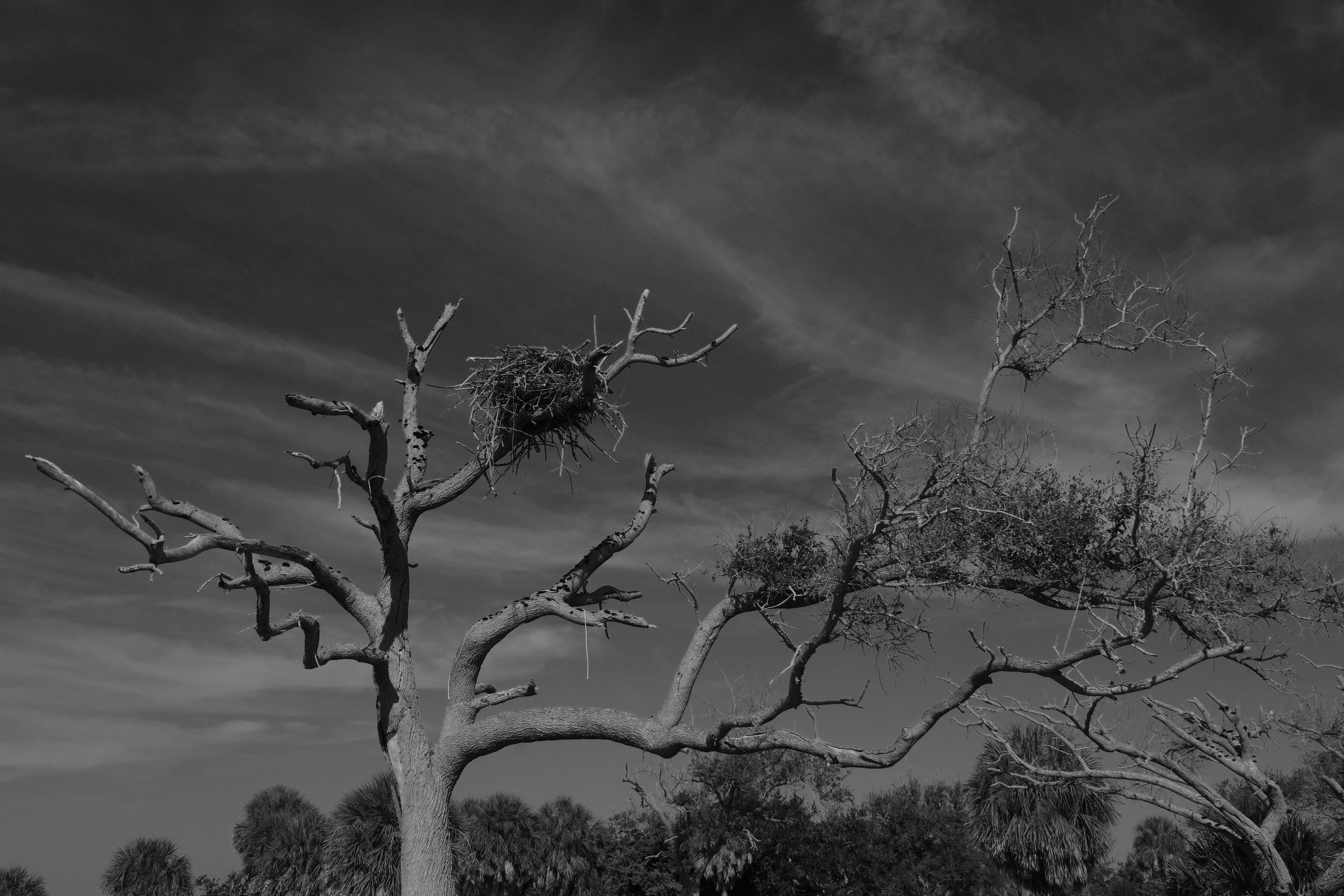

Ants carrying leaves – Amazon rain forest, Iyarina Andes and Amazon Field School, Napo, Ecuador.


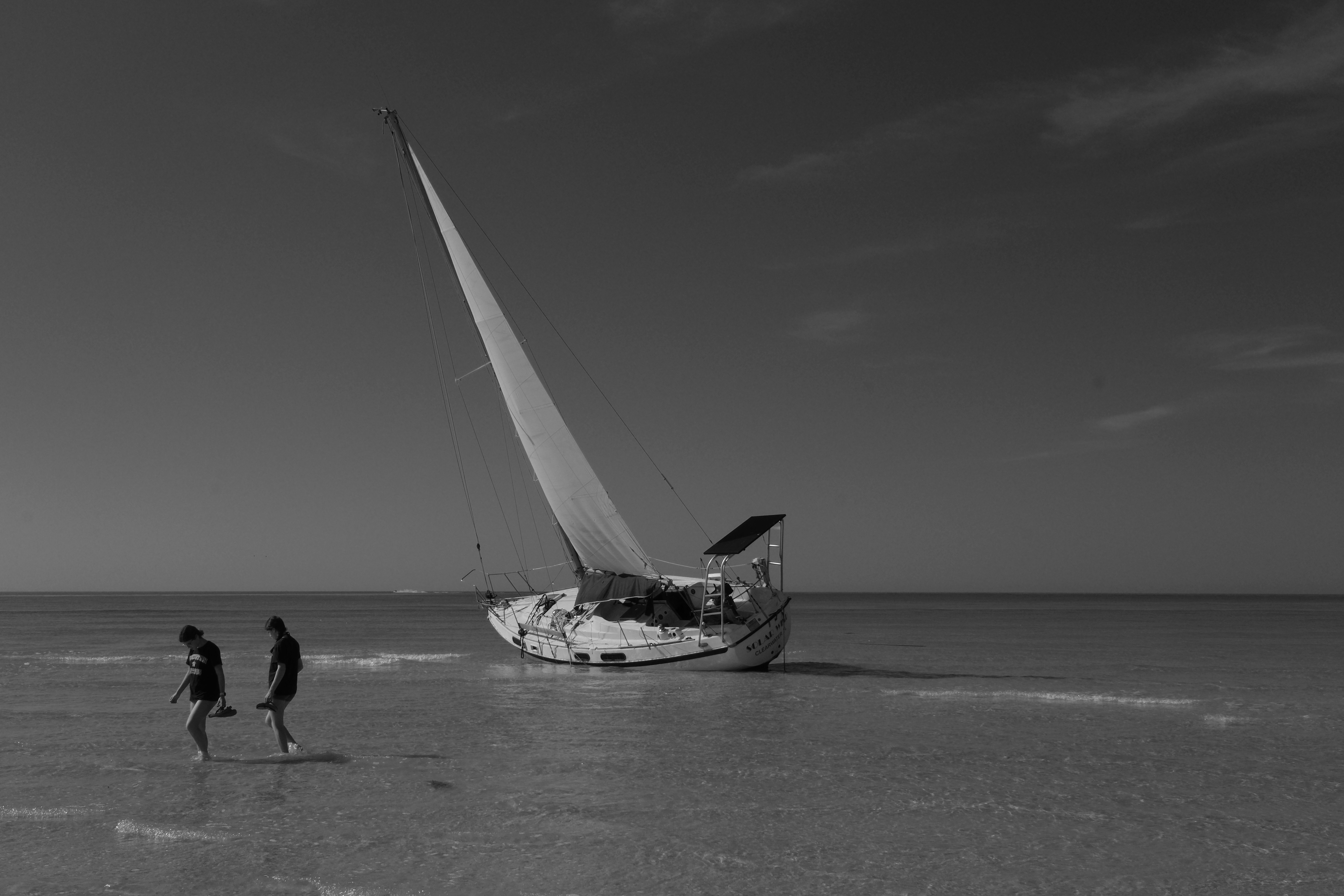
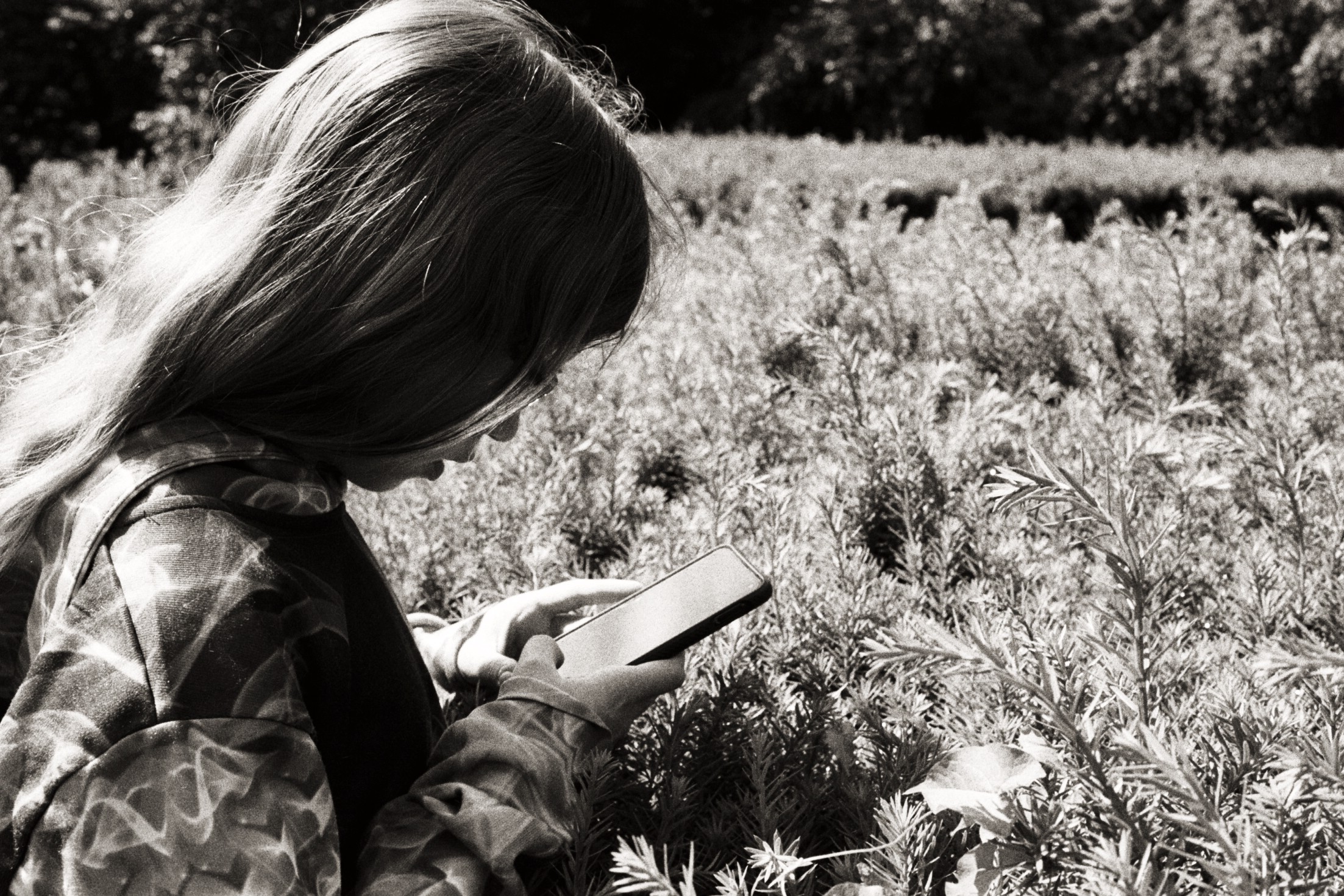
I was driving home, and as I was turning onto my street, I saw this image. I rolled down my window and managed to shoot two frames before the girl moved away.
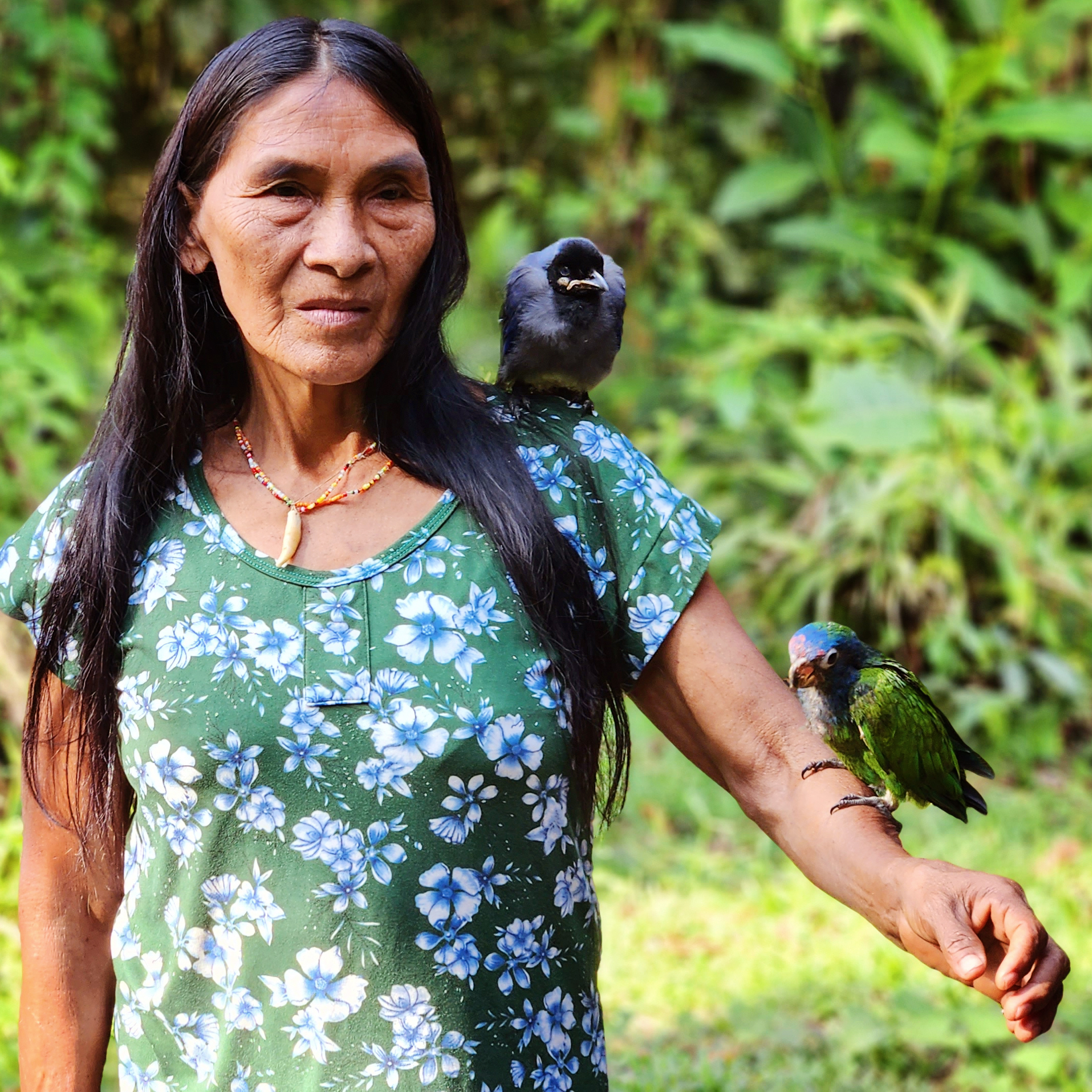
Freddy Boyotai is demonstrating how to load and shoot a blowgun.
The Waoraini and the Quechua people use similar blowguns, with Quechua blowguns being a bit more rounded. In both cases, a blowgun is a really long pipe (about 8 feet long). The dart itself is a wooden stick that looks like a 15-20-inch-long thin skewer. Hunters take a bit of palm fluff that looks a bit like cotton and wrap a little bit of it around the rear end (the dull end) of the dart to create a seal when the dart is inserted into the pipe. The container that holds the “fluff” is made from a seed pod of a tree in the Rubiaceae family. The “cotton” material is kapok, fluff from a kapok tree seed pod. Darts are made from the stem of a palm leaf.
The next step involves a small necklace made of piranha teeth that many men wear around their necks. The neckless is basically a set of two piranha jaws – hunters use the space between the sharp teeth to cut a small grove in the dart so that when the dart hits its target, the tip would break off. Once the dart is notched, the tip is dipped in poison, usually made from curare vine. Curare vine poison is a paralytic agent – when it enters the bloodstream, it paralyzes an animal, so that even a small wound would render the animal incapable of escaping.


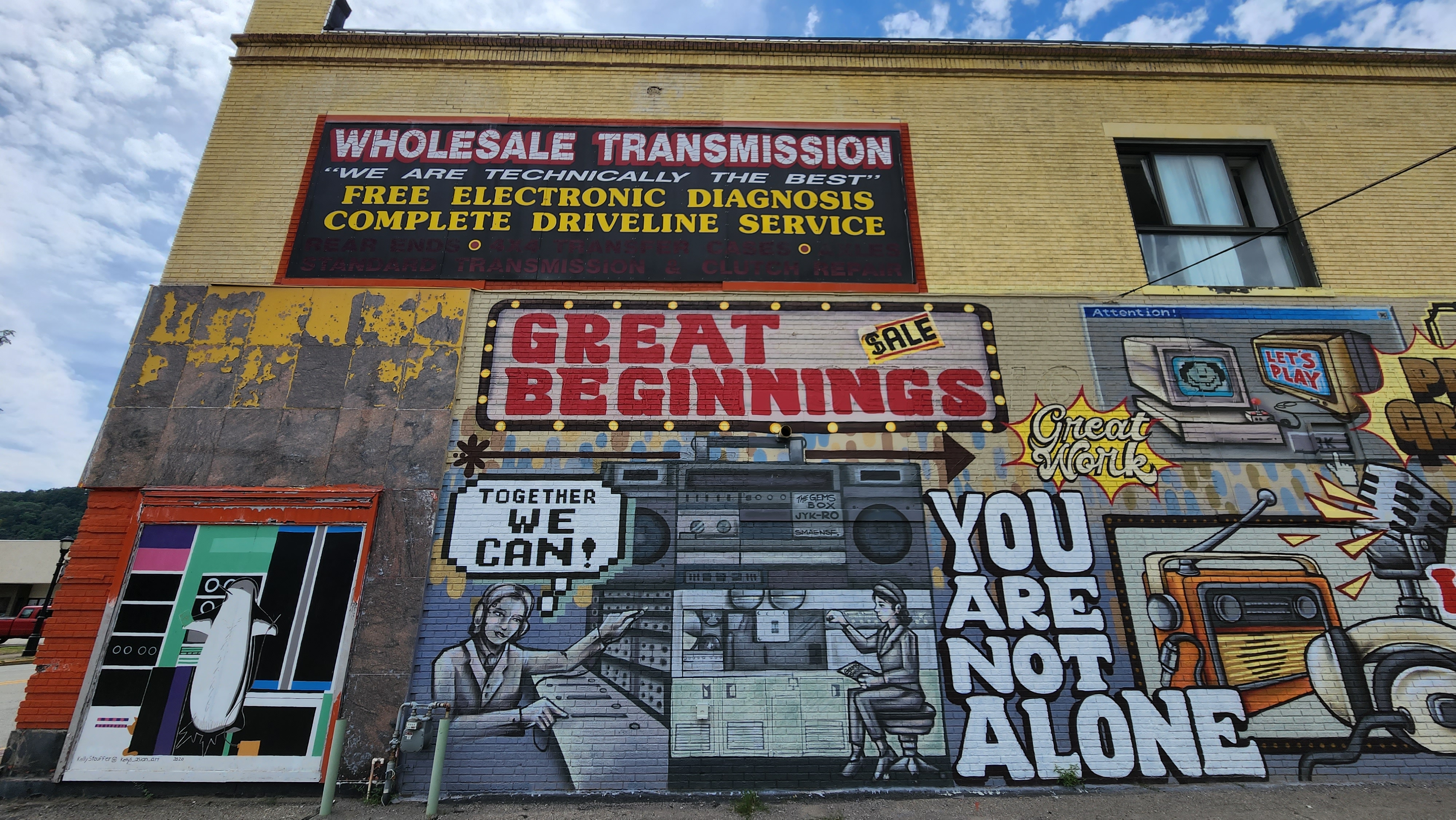










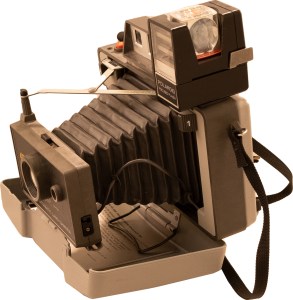
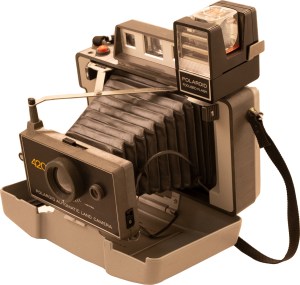
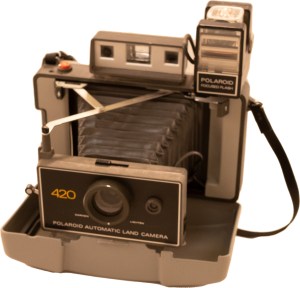
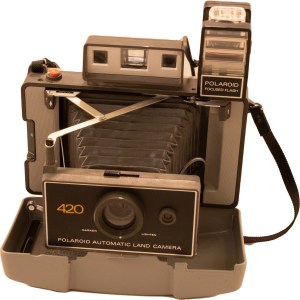
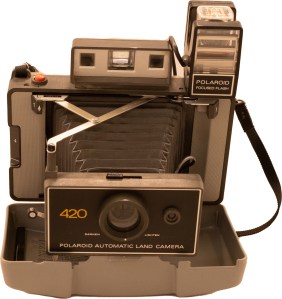
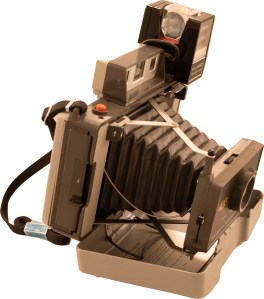
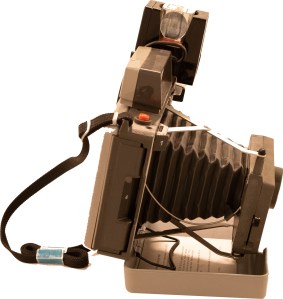
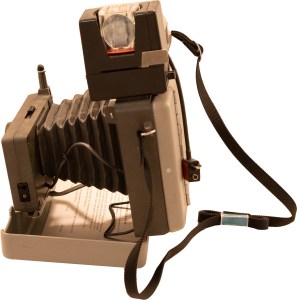
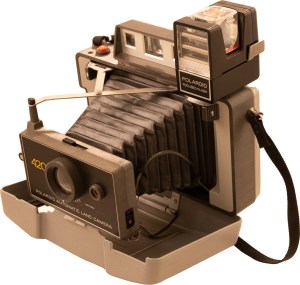
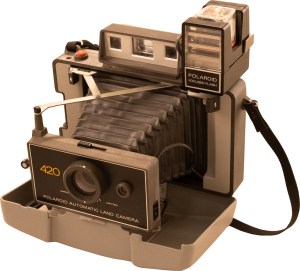
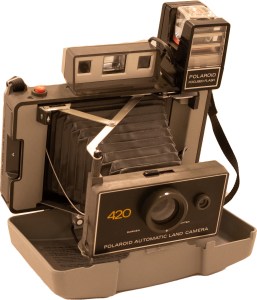
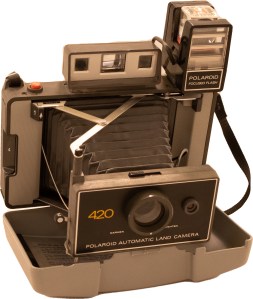
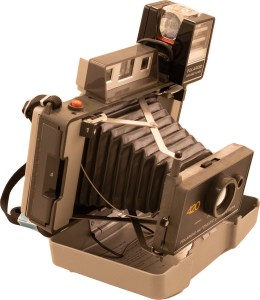
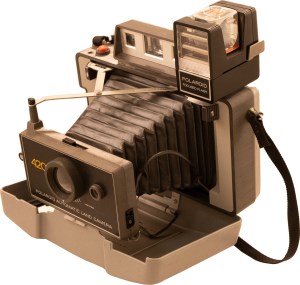
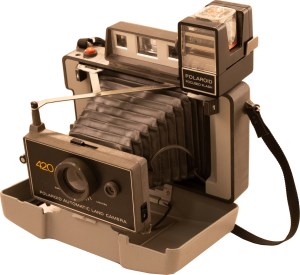
Over the last few months, I have been working on a virtual exhibit project with the University of Colorado Boulder Media Archaeology Lab. My colleague Dr. Jessica FitzPatrick and I have been putting together an augmented reality popup book to tell stories of some fascinating technology artifacts.
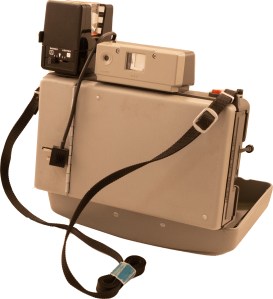
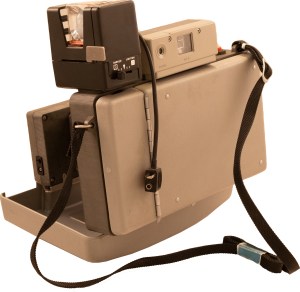
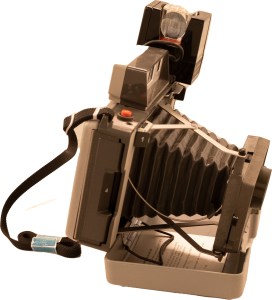
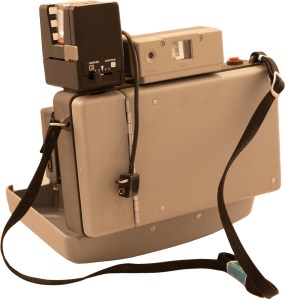
One of these artifacts, a Polaroid Land camera, has quite a bit of personal interest to me. The story goes that Dr. Edwin Land, the founder of Polaroid, came up with the idea for instant photography during a conversation with his 8-year-old daughter. Supposedly, she wondered why she could not immediately see the results of a photograph and that prompted Land to begin work on an instant camera.
Polaroid has a fascinating history, full of invention, innovation, stubbornness, and failure to foresee the future. There are stories associated with the Apartheid regime in South Africa, pornography in post-Soviet Russia, Andy Warhol, and many others. I would highly recommend checking out “Polaroid Now: The History and Future of Polaroid Photography” by Steve Crist and Oskar Smolokowski.
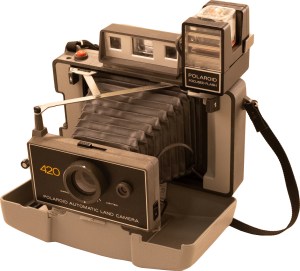
I am hoping to post some AR content shortly, but in the meantime, here are a few detailed shots of the Polaroid Land camera that we are using in the virtual exhibit and the virtual pop-up book.


































 Dmitriy B.
You must be logged in to post a comment.